2024 FILM PROGRAM
1129 Weaver Dairy Rd Suite AB
Chapel Hill NC 27514
United States
Saturday March 2 @ 7PM
Program 2: Public Surfaces
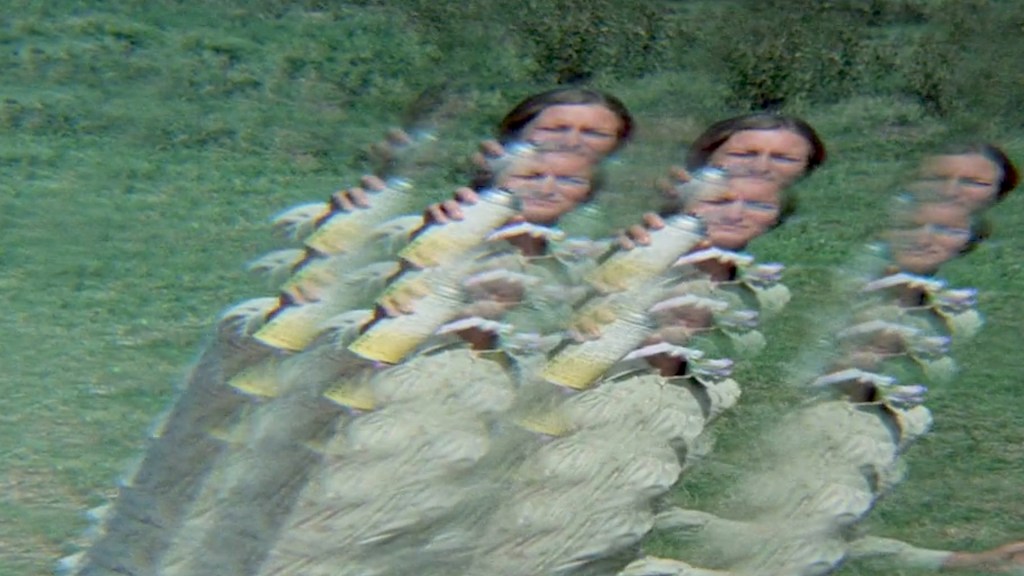
We stand here on Unity Island, on the shores of a sea of sighs, while solar storms rage above our heads. “Did we finally beat them,” we ask the eco-feminists, “or is this just a temporary victory?”
Eco: Feminist Disaster
Emma Piper-Burkett, 2023
RT: 7:54 minutes
Deep in the primordial waters of Earth’s history a creature is born with a will to dominate all, but Mother Nature has other plans.
Solar Storm
Masha Vlasova, 2022
RT: 2:50 minutes
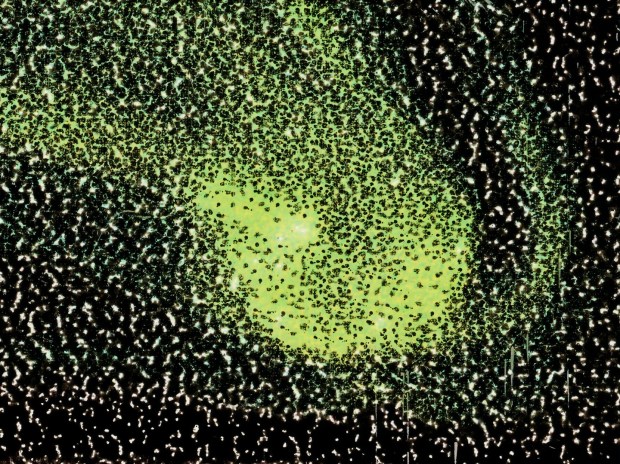
Light in its many forms—solar, aurora borealis, from a projector, peaking through 16mm brackets—is the subject and material of Solar Storm. The film toggles between the scales of the granular and microscopic to the vast and planetary. United in this collage of found and re-animated footage, one finds: an analog countdown from the start of a film reel, sun spots, magnetic field disturbances, and an overheard conversation. The film is created using an ink-jet direct-on-film technique where the digital frame is printed directly onto recycled 16mm celluloid.
Superfund
Charles Cadkin, 2023
RT: 3:00 minutes
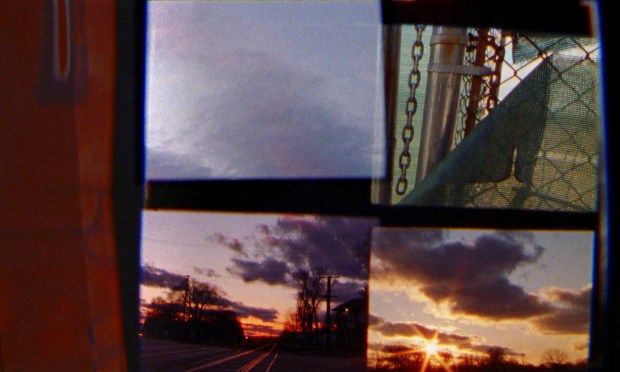
A camera roll and investigation into the landscape of West Chicago, IL’s former Rare Earth’s Facility, Kress Creek and Reed-Keppler Park. The former Lindsay Light and Chemical Company owned production plant polluted and distributed radioactive mill tailings (thorium byproduct) throughout the community including dumping in a landfill where the Reed-Keppler Park now stands, near the West Chicago Community High School, as well as in the West Chicago Sewage Treatment Plant, which resulted in runoff into the West Branch of the DuPage River and into floodplains such as the yards of homeowners. Mill tailings are effectively radioactive sand that can easily be carried by wind into bodies of water, the air we breathe or onto food grown nearby. Clean up of the Superfund sites occurred from 2005-2012 but prior to this West Chicago reportedly had elevated rates of cancer.
The Lost Season
Kelly Sears, 2023
RT: 6:09 minutes
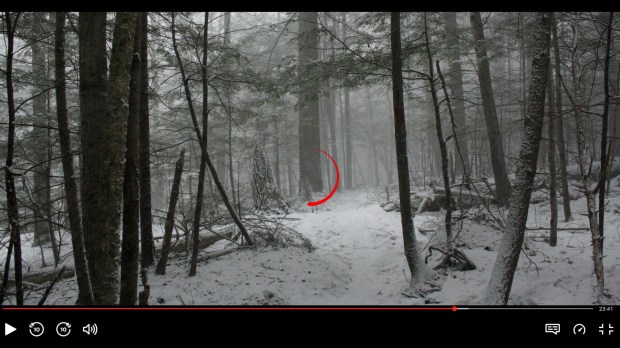
The world is experiencing its final winter. A giant streaming company hires all available camera operators to film the final weeks of this soon-to-be-lost season. After seeing their footage as a form of ecological exploitation, the camera operators refuse to commodify further climate collapse with their labor.
The Archive is on Fire
Anna Hogg, 2023
RT: 9:75 minutes
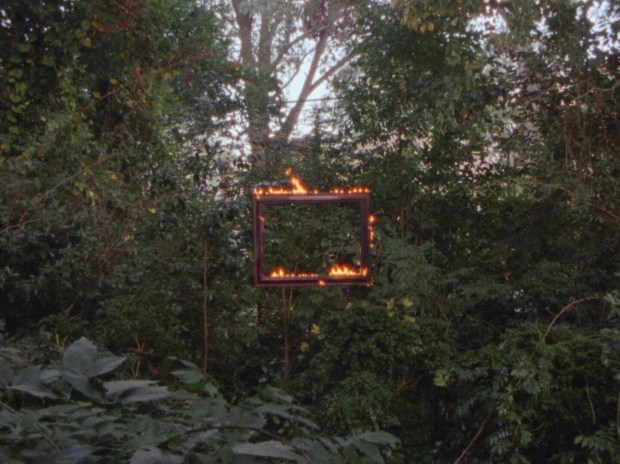
A sense memory of the archive presents itself. The sun magically settles between the crevice of two trees; the warp and weft of the forest turns into a macro lens that obsessively documents the ridges that appear on a butterfly wing; a magnifying glass searches in the negative space of loss and absence; fire flickers through glass, water, and finally consumes the frame within the frame.
Sea of Sighs
J.M Martínez, 2023
RT: 5:04 minutes
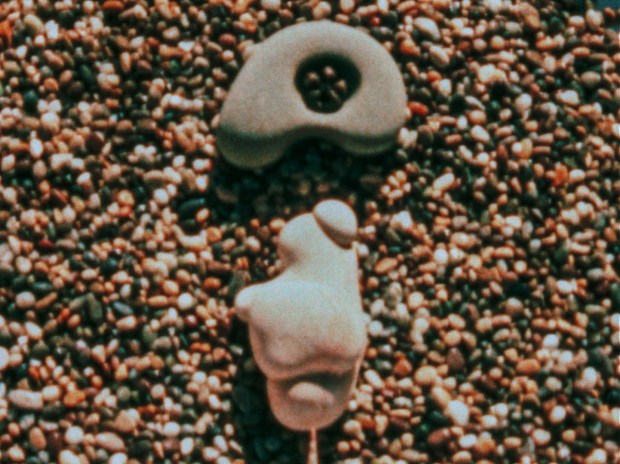
Oceanic patterns come in waves of chroma blurs and ultraviolet light, illuminating marine life in states of change.
Unity Island
Carl Lee, 2022
RT: 13:30 minutes
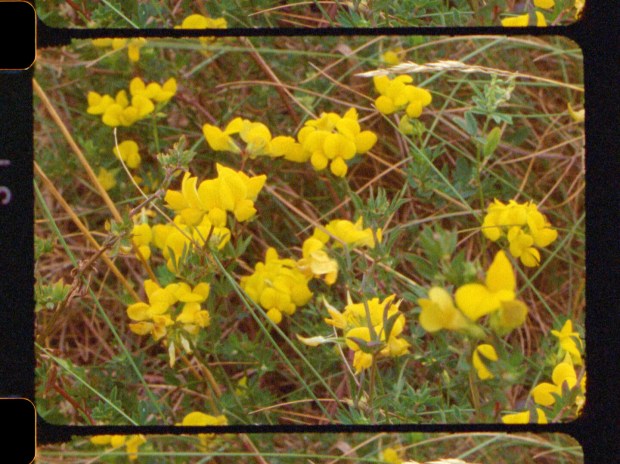
“Unity Island” looks at 1/4 square mile stretch of land situated between Niagara River and Black Rock Canal at the border of Buffalo, NY and Fort Erie, Ontario. A railroad traverses the island from Canada to the U.S. passing by a park visited by picnickers, bicyclists, and fishermen.
Shot on 16mm film, “Unity Island” is a personal exploration of the site over time: its beauty, its moments, and its contradictions.
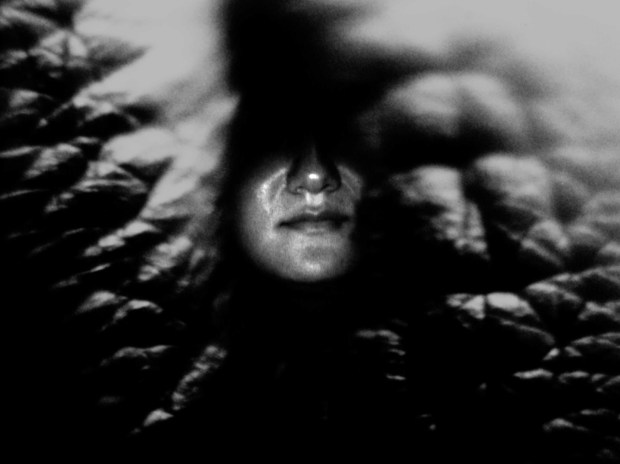
Only If You Could See a View Above the Clouds
Zhuoyun (Yun) Chen, 2022
RT: 04:03 minutes
A ghost, a face, lucid minerals, vague landscapes… To experience delayed emotions is like trying to decipher a riddle caught up in time lags.
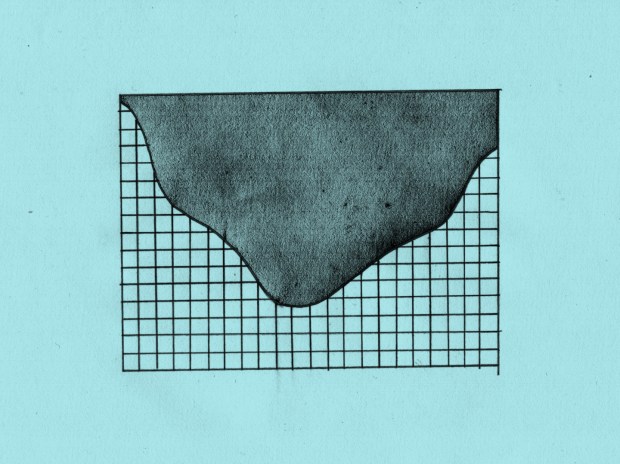
Help Desk
Edwin Rostron, 2023
RT: 03:10 minutes
A mysterious transmission revealing playful geometric possibilities. Help Desk is a hypnotic hand drawn animation, providing a meditative and contemplative space, oscillating between flatness and depth, control and instability. The film was made using an improvisational process of ‘straight ahead’ animation, and was primarily an attempt to regain some much needed focus after the fragmented years of the pandemic.
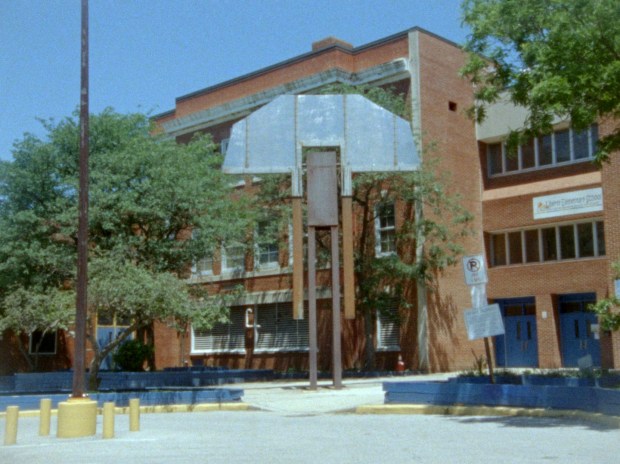
Public Surfaces
Gillian Waldo, 2023
RT: 11:56 minutes
In 1964, Baltimore became the second city in the country to pass a 1% for Art law, allocating one percent of the construction budget for any public building to commissioning a new piece of art. Most of the buildings were public schools, and by 2016, it was revealed that many of the pieces had gone missing. Through landscapes of the city and depictions of the sculptures, the film explores the history of the program, the failures of modernism, the neglect of the school system, and asks who public art can really serve.
 Cosmic Rays Film Festival